Understanding Material Choices for Storage Products
When it comes to designing effective storage solutions, the choice of materials plays a crucial role. Understanding the various options available can help consumers make informed decisions that best suit their needs.
Understanding the Basics
Materials used in storage products can vary widely, impacting not only the durability and functionality but also the aesthetics of the product. According to industry experts, selecting the right material is essential for ensuring that storage solutions meet both practical and visual requirements. Common materials include wood, metal, plastic, and fabric, each offering unique benefits and limitations.

Wood
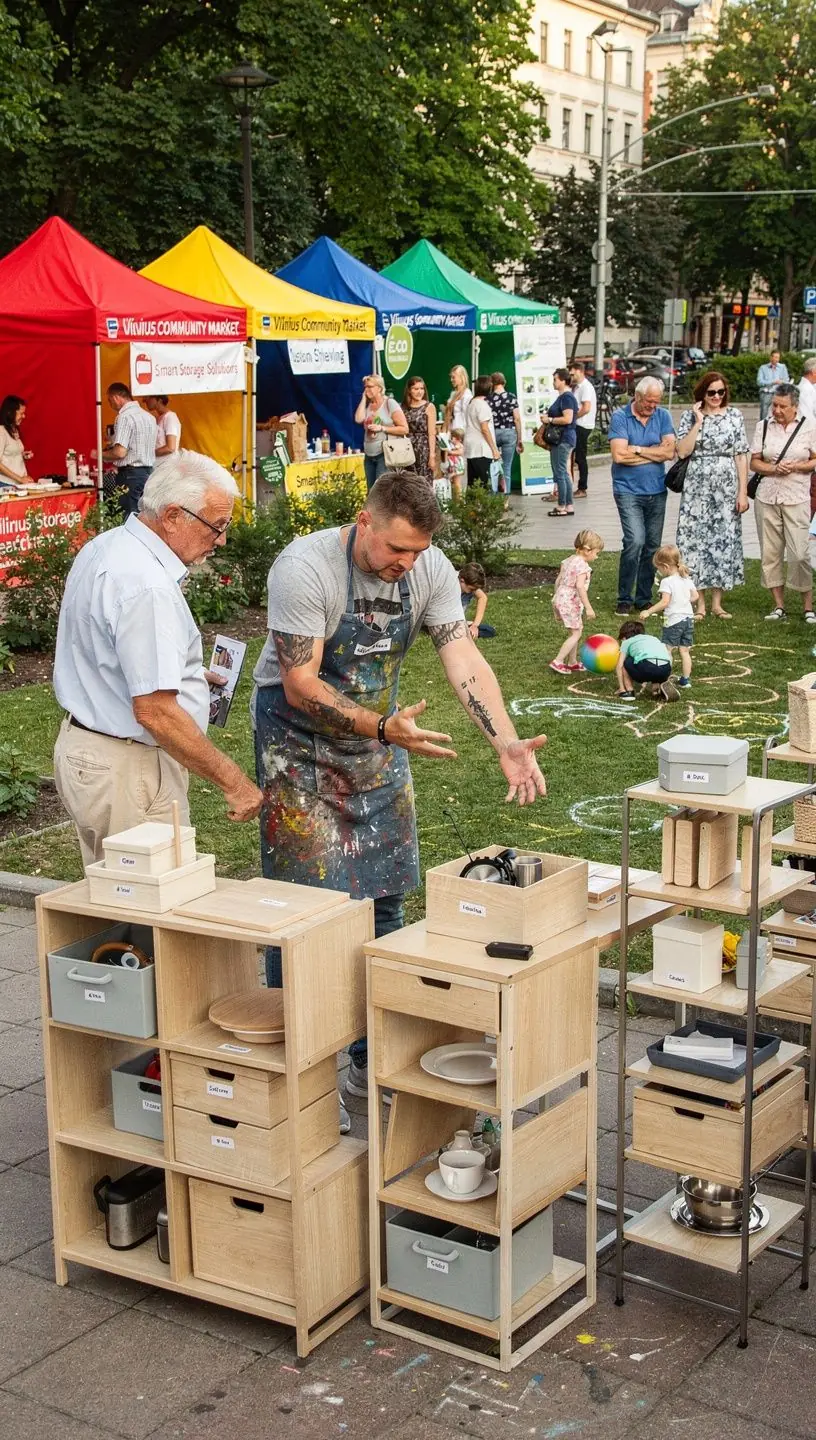
Wood is often favored for its durability and timeless appeal. It can be used to create elegant storage solutions that blend seamlessly with home decor. Studies show that wooden storage solutions can last for decades with proper care. However, wood requires maintenance to prevent damage from moisture and can be heavier than other materials, which may limit portability.
Metal
Metal storage products are known for their strength and stability. They can support heavier weights and are typically resistant to pests and rot. According to research, metal storage solutions often provide a modern look that appeals to many users. However, users should be aware that metal can be prone to rust if not properly treated, especially in humid environments.
"Choosing the right material for storage solutions can enhance both functionality and aesthetics, contributing to a more organized space." - Storage Solutions Expert
Plastic
Plastic is a common choice for many storage products due to its lightweight nature and variety of colors. Many users report that plastic organizers are easy to clean and resistant to moisture, making them ideal for various environments, including garages and basements. However, plastic may not provide the same level of durability as wood or metal, and high-quality options should be selected to avoid brittleness over time.
Fabric
Fabric organizers, such as bins and baskets, offer a flexible storage option that can add softness to a space. They are often lightweight and can be easily stored when not in use. Experts recommend fabric solutions for lightweight items or as decorative elements in living areas. However, care should be taken as they can be prone to wear and may require regular cleaning due to dust accumulation.
Practical Application
- When selecting storage products, consider the weight of the items you plan to store; this will help determine whether metal or wood may be more suitable.
- Assess the environment where the storage solution will be placed; for damp areas, opting for plastic or treated wood may be beneficial.
- Factor in the aesthetic aspect of your storage solutions; fabric organizers can enhance decor, while metal offers a contemporary look.
Conclusion
Understanding material choices in storage products is vital for achieving the right balance between functionality and style. By evaluating the characteristics of wood, metal, plastic, and fabric, consumers can make informed decisions that align with their specific needs and preferences. Whether you are looking for durability, aesthetics, or cost-effectiveness, there's a material that can help create customized storage solutions tailored to your space.