Practical Guide to Designing Functional Spaces
Designing functional spaces is crucial for maximizing efficiency and comfort in any environment. This guide offers practical insights to help you create tailored storage solutions that enhance your workspace while considering your unique needs.
Understanding the Basics
Creating a functional space involves understanding the principles of organization and design. According to research, effective space design can enhance productivity by 20-30%. This improvement often comes from reducing clutter and improving accessibility. Experts recommend starting with a clear understanding of your needs to tailor the design appropriately.

"An effectively organized space can reduce stress and increase focus, according to many studies in environmental design."
Key Principles for Designing Functional Spaces
- Assess Your Needs: Take time to evaluate what items you use regularly. This typically involves listing out frequently used tools or materials and identifying storage gaps.
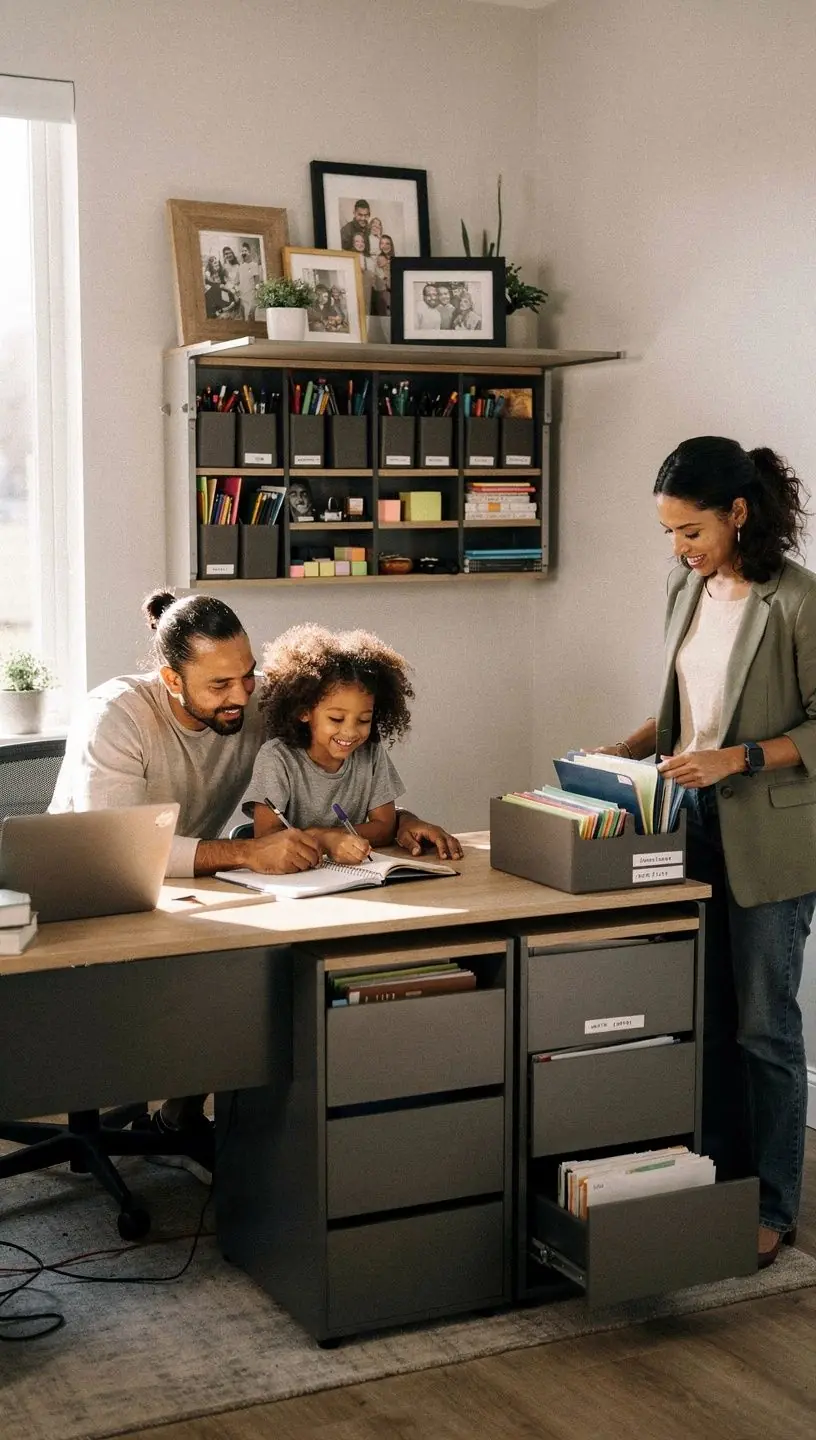
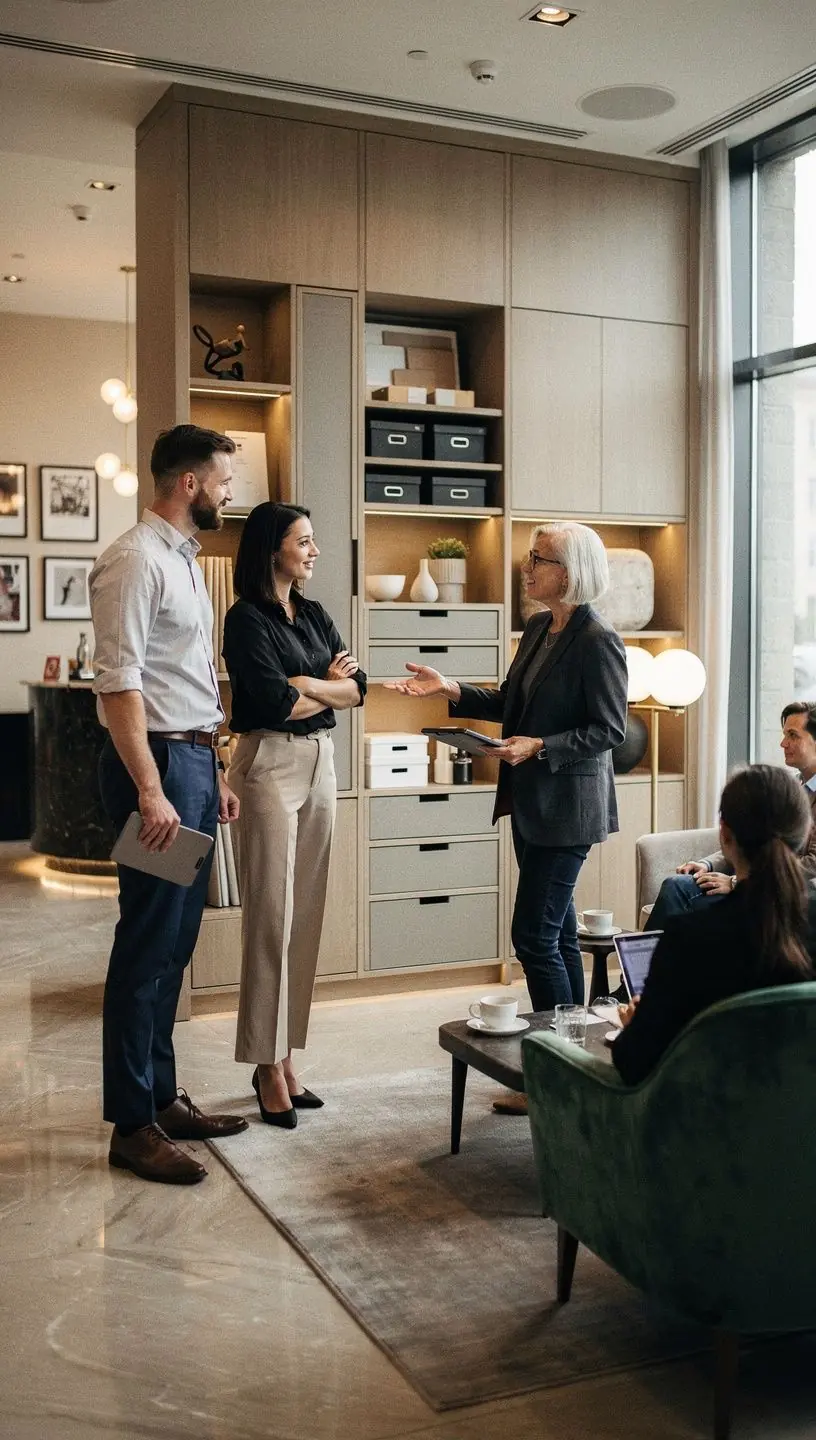
- Choose the Right Storage Solutions: Various options exist, from shelves to cabinets, but selecting the right type depends on your specific space and usage patterns. It’s advisable to consider modular systems that can adapt over time.
- Maintain Accessibility: Ensure that items are stored in a way that promotes easy access. Many users report greater efficiency when their most-used items are within arm’s reach, reducing time spent searching.
Incorporating Design Elements
Beyond storage, design elements such as lighting, color, and layout play significant roles in functionality. Research indicates that well-lit spaces can enhance mood and productivity, while a cohesive color scheme can create a calming environment.
Lighting Considerations
Natural light is preferable, but when not available, consider using adjustable LED lighting that can mimic daylight. This often involves an investment, but the return can be substantial in terms of improved focus and energy levels.
Color Psychology
Colors impact mood and productivity. For example, blues and greens are typically calming, while yellows can stimulate creativity. Thus, selecting appropriate colors for your spaces can enhance overall functionality.
Evaluation and Adjustment
It is crucial to regularly assess the effectiveness of your design. This process may require ongoing adjustments as your needs evolve. Typically, users find that revisiting their space design every 6-12 months helps maintain functionality.
Conclusion
Designing functional spaces is a dynamic process that requires careful consideration of needs, organization methods, and aesthetic elements. By following these principles and regularly reevaluating your space, you can create an environment that supports productivity and minimizes stress. Remember, the most effective solutions are the ones tailored to your specific circumstances, making it essential to remain adaptable and open to change.